 Business License

How to Choose the Right Screen Stretching Machine for Professional Screen Printing Production
How to Choose the Right Screen Stretching Machine for Professional Screen Printing Production
In the screen printing industry, the quality of the printing screen directly affects the final printing accuracy, registration performance, and production efficiency. A reliable screen stretching machine plays an essential role in producing high-quality screen frames with uniform mesh tension and stable printing results.
Whether you are producing electronic products, packaging, textiles, glass, advertising materials, or industrial components, choosing the right screen stretcher can significantly improve your printing performance.
What Is a Screen Stretching Machine?
A screen stretching machine, also called a screen stretcher or mesh stretching machine, is professional equipment used to stretch polyester or stainless steel mesh onto screen frames before the screen printing process.
The machine applies controlled tension to the mesh and ensures the screen surface remains flat and evenly stretched. After the mesh reaches the required tension value, it can be bonded or fixed onto the frame to create a high-quality printing screen.
Compared with manual stretching methods, an industrial screen stretching machine provides:
More uniform mesh tension
Higher stretching accuracy
Better printing repeatability
Reduced operator workload
Improved screen lifespan
Why Is Mesh Tension Important in Screen Printing?
Mesh tension is one of the most important factors affecting screen printing quality.
If the tension is uneven or insufficient, common problems may occur:
1. Poor Printing Accuracy
Low-quality stretched screens may cause image distortion, blurred edges, or inaccurate color registration.
2. Uneven Ink Transfer
A properly tensioned screen allows stable ink flow and consistent printing thickness.
3. Shorter Screen Life
Uneven stress on the mesh can accelerate screen damage and increase production costs.
Using a precision screen stretching machine helps maintain stable tension across the entire screen surface.
Main Types of Screen Stretching Machines
1. Manual Screen Stretching Machine
Manual stretchers are suitable for small workshops or low-volume production.
Advantages:
Low investment cost
Simple operation
Suitable for basic screen preparation
However, manual stretching requires skilled operators and may have limitations in tension consistency.
2. Pneumatic Screen Stretching Machine
Pneumatic screen stretchers use compressed air systems to provide stable and controlled stretching force.
Advantages:
Stable stretching pressure
Easy operation
Improved mesh tension uniformity
Suitable for medium and large production
They are widely used in professional screen printing factories.
3. Automatic Screen Stretching Machine
Automatic screen stretchers are designed for high-volume production environments.
Features include:
Digital tension control
Automatic stretching process
High precision performance
Reduced labor requirements
They are ideal for industries requiring strict printing accuracy, such as electronics, glass printing, and industrial labels.
How to Select the Right Screen Stretching Machine?
When choosing a screen stretcher, consider the following factors:
1. Screen Frame Size
Different industries require different frame sizes. Make sure the machine supports your maximum screen dimensions.
For example:
Small frames: labels, stickers, small products
Medium frames: packaging and commercial printing
Large frames: glass printing, industrial panels, textile printing
2. Required Mesh Tension Accuracy
For high-precision applications, stable tension control is essential.
Professional machines provide:
Uniform tension distribution
Repeatable stretching results
Better printing registration
3. Production Capacity
Consider your daily screen preparation requirements.
For factories with continuous production, automatic or pneumatic models can greatly improve efficiency compared with manual methods.
4. Material Compatibility
A good screen stretching machine should support different mesh materials:
Polyester mesh
Nylon mesh
Stainless steel mesh
High tension mesh
Applications of Screen Stretching Machines
Screen stretching equipment is widely used in many industries:
Electronics Industry
Used for PCB printing, membrane switches, and electronic components requiring high precision.
Glass Printing Industry
Suitable for decorative glass, automotive glass, and appliance panels.
Packaging Industry
Used for printing on boxes, containers, bottles, and labels.
Textile Printing
Provides stable screen quality for high-volume fabric printing.
Industrial Printing
Suitable for metal plates, plastic products, and special applications.
Why Choose Tamprinter Screen Stretching Machines?
As a professional screen printing equipment manufacturer, Tamprinter provides reliable screen stretching solutions for global customers.
Our screen stretching machines are designed with:
✔ High precision tension control
✔ Strong machine structure
✔ Easy operation and maintenance
✔ Stable stretching performance
✔ Suitable for various screen sizes
✔ Custom solutions available for different industries
From small printing workshops to large industrial production lines, Tamprinter helps customers improve screen preparation efficiency and printing quality.
FAQ About Screen Stretching Machines
Q1: What is the advantage of using a screen stretching machine?
A screen stretching machine provides more accurate and uniform mesh tension compared with manual stretching, improving printing quality and reducing screen failure.
Q2: What mesh materials can be stretched?
Most professional machines can stretch polyester, nylon, and stainless steel mesh used for different screen printing applications.
Q3: Is a pneumatic screen stretcher better than manual stretching?
Yes. Pneumatic machines provide more stable pressure control and better tension consistency, making them more suitable for professional production.
Q4: Can the machine be customized according to my frame size?
Yes. Many manufacturers provide customized solutions based on different screen frame sizes, production requirements, and applications.
Conclusion
A high-quality screen stretching machine is an important investment for improving screen printing accuracy and production efficiency. By selecting the right machine according to frame size, tension requirements, and production volume, manufacturers can achieve better printing results and reduce operating costs.
For professional screen printing factories, a reliable screen stretcher is the foundation of stable and high-quality printing production.

Contact Us
Recommended Products
-
 Industry Food Grade Meta Teflon Conveyor BeltNegotiableMOQ: 1 Set
 -
Automatic Spot Coating Machine for Hotels, Retail, Food Shop, Printing Shops, Food & Beverage ShopsNegotiableMOQ: 1 Set
-
Automatic Screen Printing Machine,Coating Machine for Hotels, Retail, Food ShopNegotiableMOQ: 1 Set
-
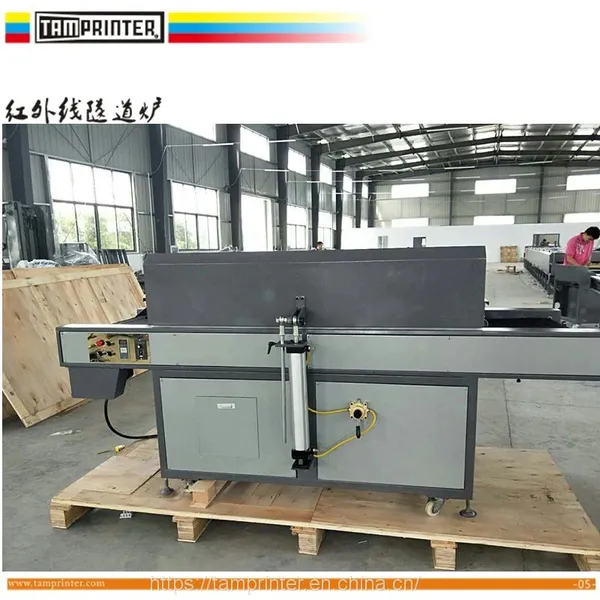
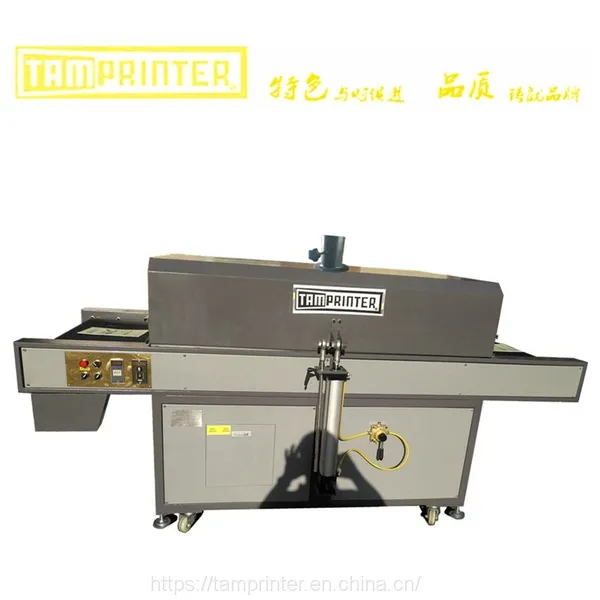
Infrared and Circulating Air Dryer Printing Ink Tunnel Oven MachineUS$ 6,880 - 7,500MOQ: 1 Set
-
Printing Ink Tunnel Oven MachineUS$ 6,880 - 7,500MOQ: 1 Set
-
Industrial IR Tunnel DryerNegotiableMOQ: 1 Piece
-
Printing Drying Tunnel EquipmentNegotiableMOQ: 1 Set
-
Singapore pc Film Infrared Furnace Screen Printing Membrane Switch Tunnel DryingNegotiableMOQ: 1 Set
-
Paint IR Drying MachineNegotiableMOQ: 1 Set
-
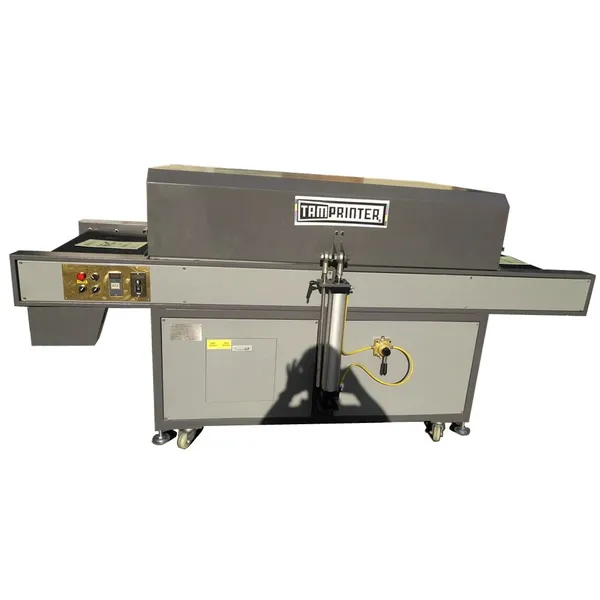
Automatic IR Tunnel MachineNegotiableMOQ: 1 Set
-
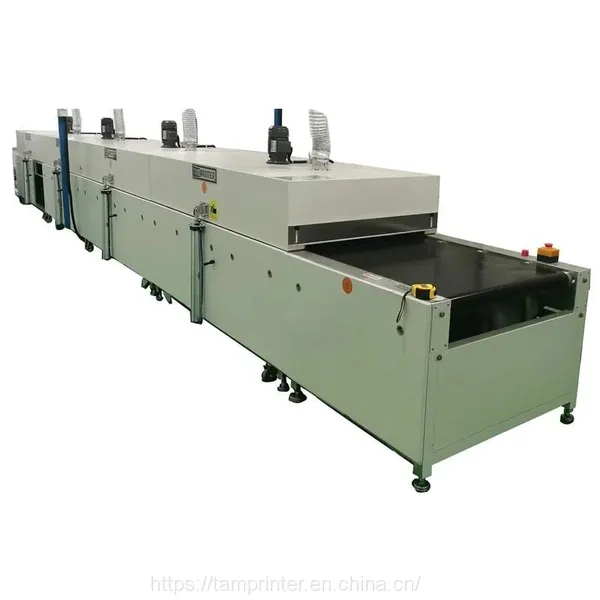
Glass UV&IR Drying TunnelNegotiableMOQ: 1 Piece
-
uv Varnish Roller Spot Coating Machine for Wood is Designed for Smooth and EvenNegotiableMOQ: 1 Set
-
Customize Screen Printing Stencil Platesetter LED uv Vacuum Exposure MachineUS$ 4000 - 6000MOQ: 1 Set
-
ABS Enterprise Plastic Parts Vacuum Plating UV Light Curing MachineEUR 15600 - 16800MOQ: 1 Set
-
Ptfe Mesh Teflon in Fiberglass Ptfe Conveyor Belts for Tunnel Dryer MachineUS$ 200 - 2000MOQ: 10 Meters